15 Non-Toxic Nursery Swaps Every New Mom Should Know
When I set up my first nursery, I read one article about mattress off-gassing and spiraled for three days.
Four kids later, I’ve landed somewhere calmer. You don’t need to replace everything. You need to know which swaps actually matter and which ones are marketing.
Here are 15 swaps I’d make again, roughly in order of how much difference they make. 🦢
The Ones That Matter Most
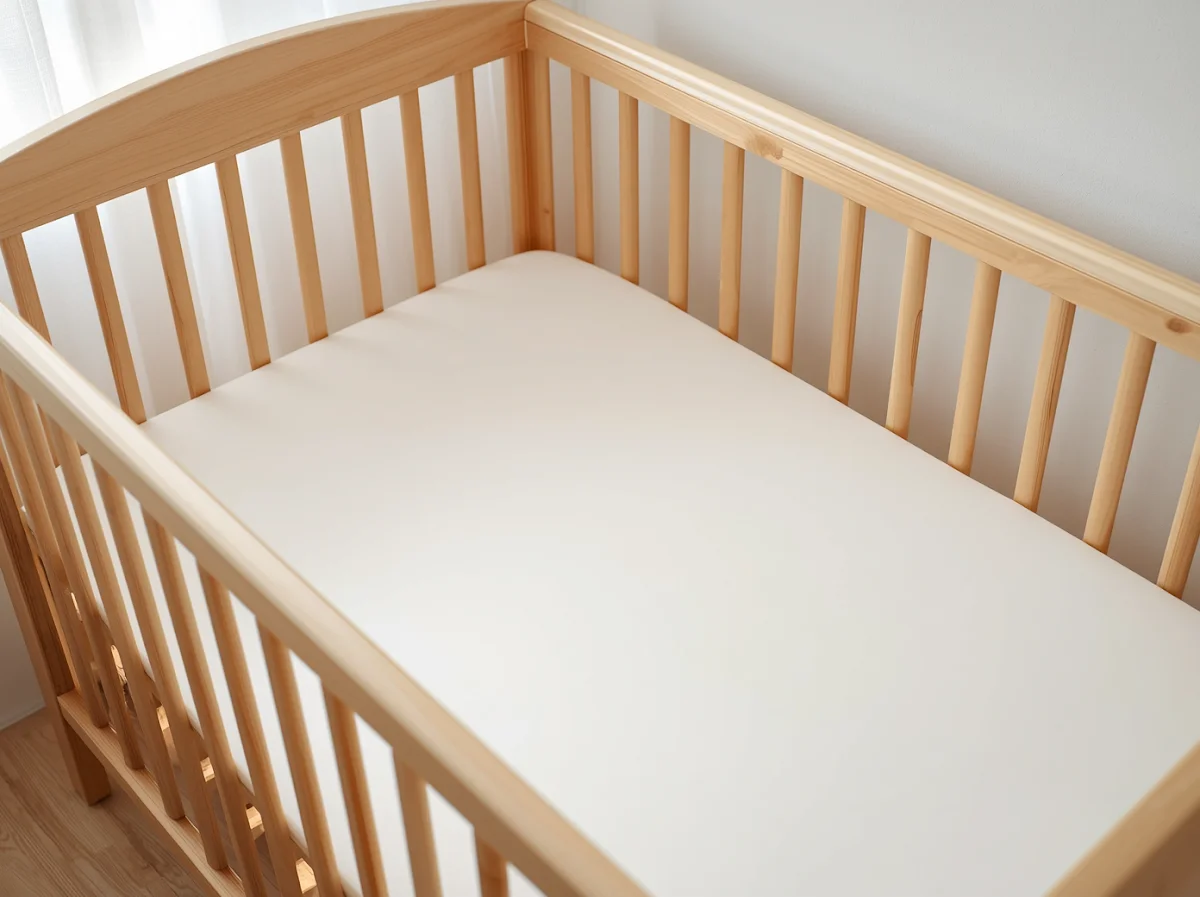
1. Mattress: Look for GREENGUARD Gold or GOTS Certified
Your baby sleeps 14 hours a day inches from this surface. Conventional foam mattresses off-gas volatile compounds most heavily in the first months. Certified organic or GREENGUARD Gold options test for chemical emissions specifically.
If you can only do one swap, do this one.
2. Paint: Zero-VOC, Not Just “Low-VOC”
Low-VOC still contains solvents. Zero-VOC lines cost a few dollars more per gallon and cure without the smell that lingers for weeks.
Paint at least four weeks before the room is used, with windows open.
3. Ventilation Before Anything Else
The cheapest non-toxic upgrade is opening a window for twenty minutes a day. Indoor air is routinely more polluted than outdoor air. This costs nothing and matters more than most products you could buy.
4. Skip the Flame-Retardant Textiles
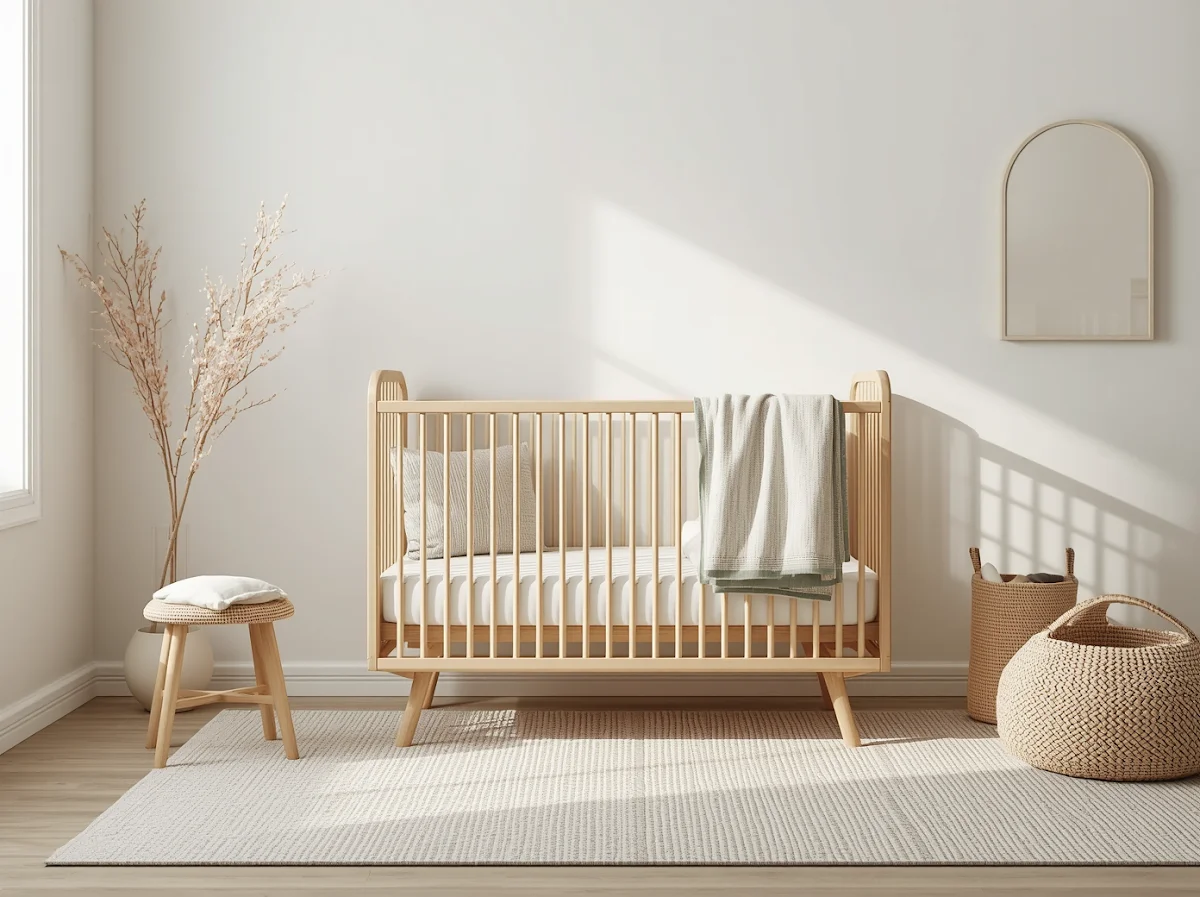
Check labels on crib bumpers, gliders, and rocking chairs. Furniture treated with flame retardants sheds them into household dust, which babies then touch and mouth. Untreated wool or organic cotton is naturally flame-resistant enough to meet standards.
5. Fragrance-Free Everything
“Fragrance” on a label can legally mean dozens of undisclosed compounds. For a newborn, fragrance-free is the simplest possible filter — no research needed, just read the front of the bottle.
Bath and Skincare
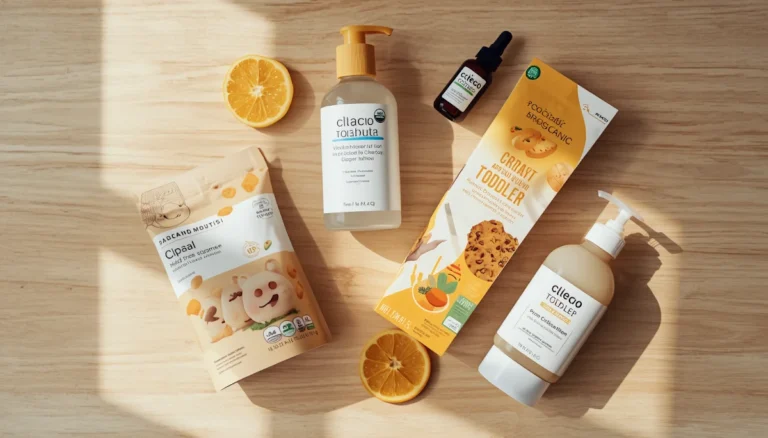
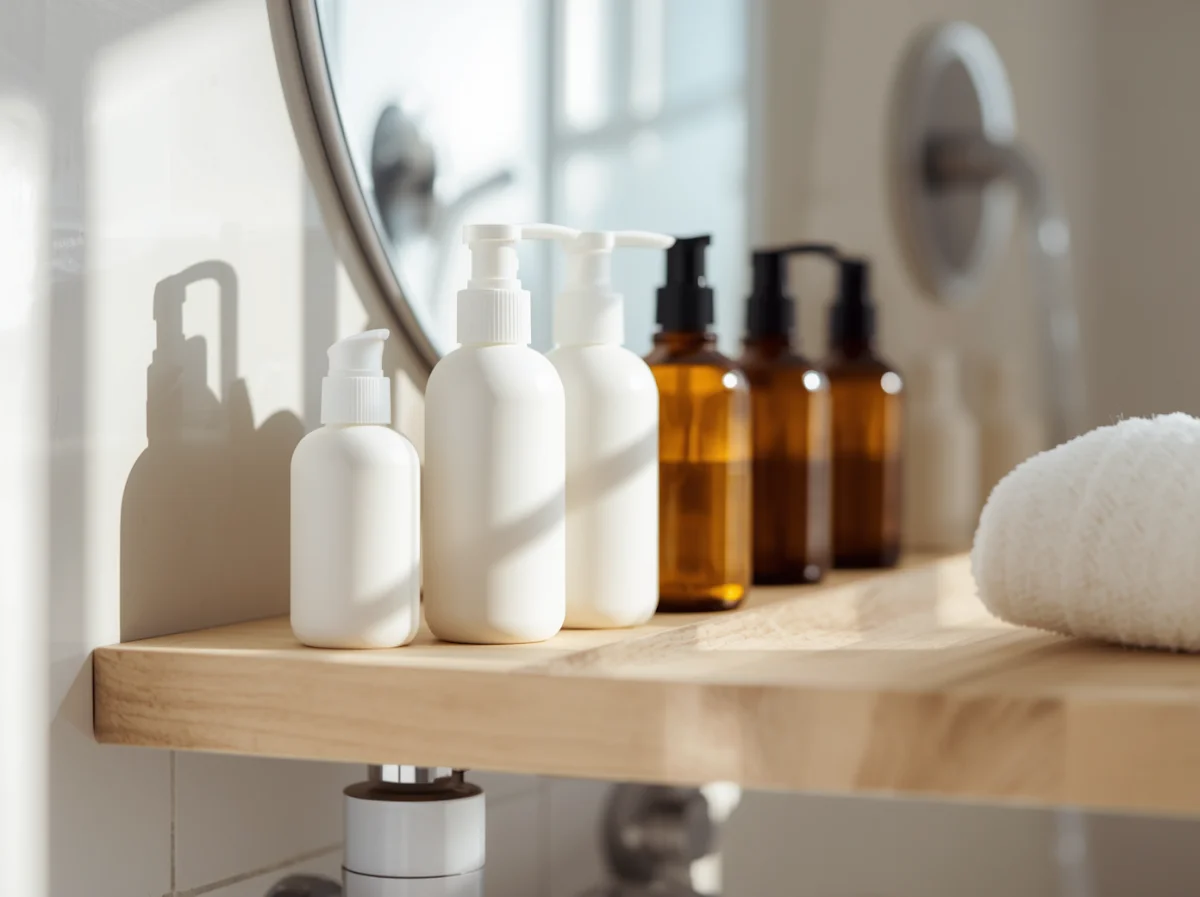
6. Simple Baby Wash Instead of Bubble Bath
Fewer ingredients, no fragrance, no dyes. Newborns barely need soap at all for the first months — plain water works for most baths.
7. Zinc-Based Diaper Cream
Zinc oxide is the active ingredient that actually works. Anything beyond zinc plus a simple base is usually there for texture or scent.
8. Mineral Sunscreen from Six Months
Zinc oxide or titanium dioxide sits on the skin rather than absorbing. For babies under six months, shade and clothing instead of sunscreen.
9. Plain Oil Instead of Baby Lotion
A single-ingredient oil — coconut, jojoba, sunflower — does what most lotions do without the preservative system. Patch test first.
Feeding and Everyday
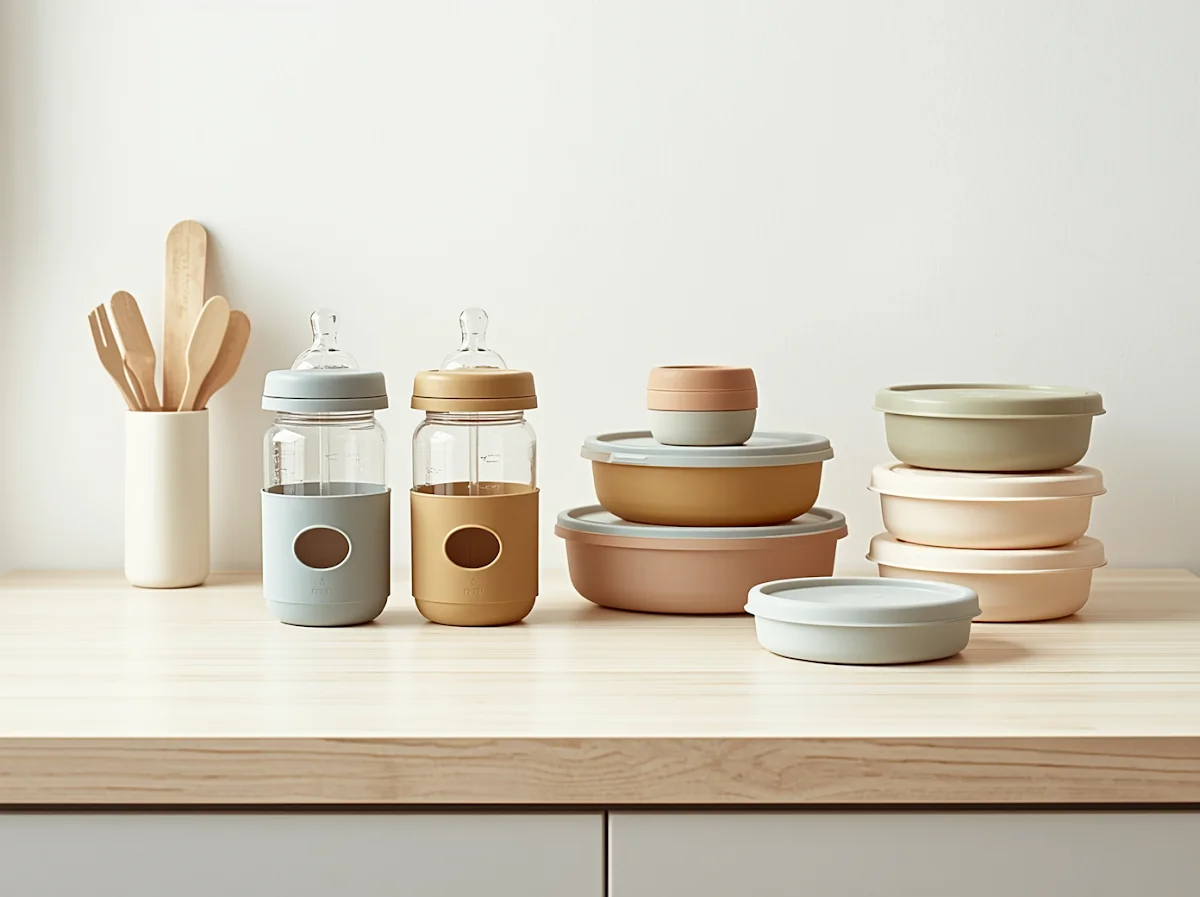
10. Glass or Stainless Bottles Where Practical
Even BPA-free plastic releases compounds when heated repeatedly. Glass bottles with silicone sleeves are heavier but inert.
🛒 Shop: Glass Baby Bottles with Silicone Sleeve
11. Silicone Instead of Plastic for Snacks
Food-grade silicone tolerates heat and dishwashers without degrading the way plastic does over dozens of cycles.
🛒 Shop: Silicone Snack Containers
12. Unscented Laundry Detergent for Everything Baby Touches
Detergent residue stays in fabric against skin all night. Unscented, dye-free versions cost roughly the same.
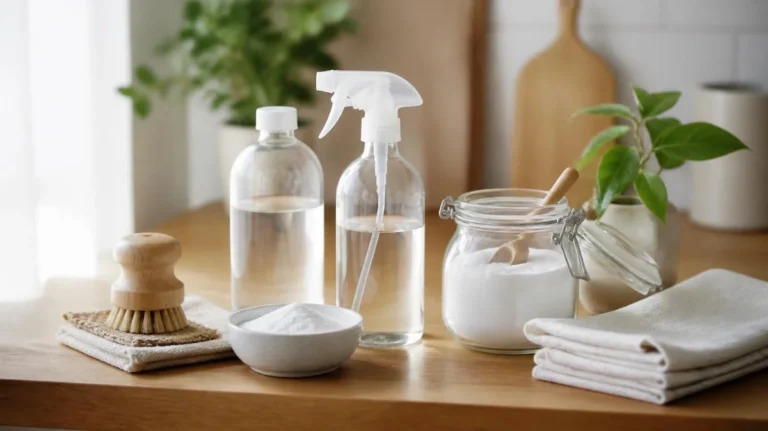
13. Vinegar and Water for Most Cleaning
For floors, changing tables, and toys, diluted vinegar handles the vast majority of household cleaning. Save disinfectant for actual illness.
Nice to Have
14. Real Plants Instead of an Air Purifier
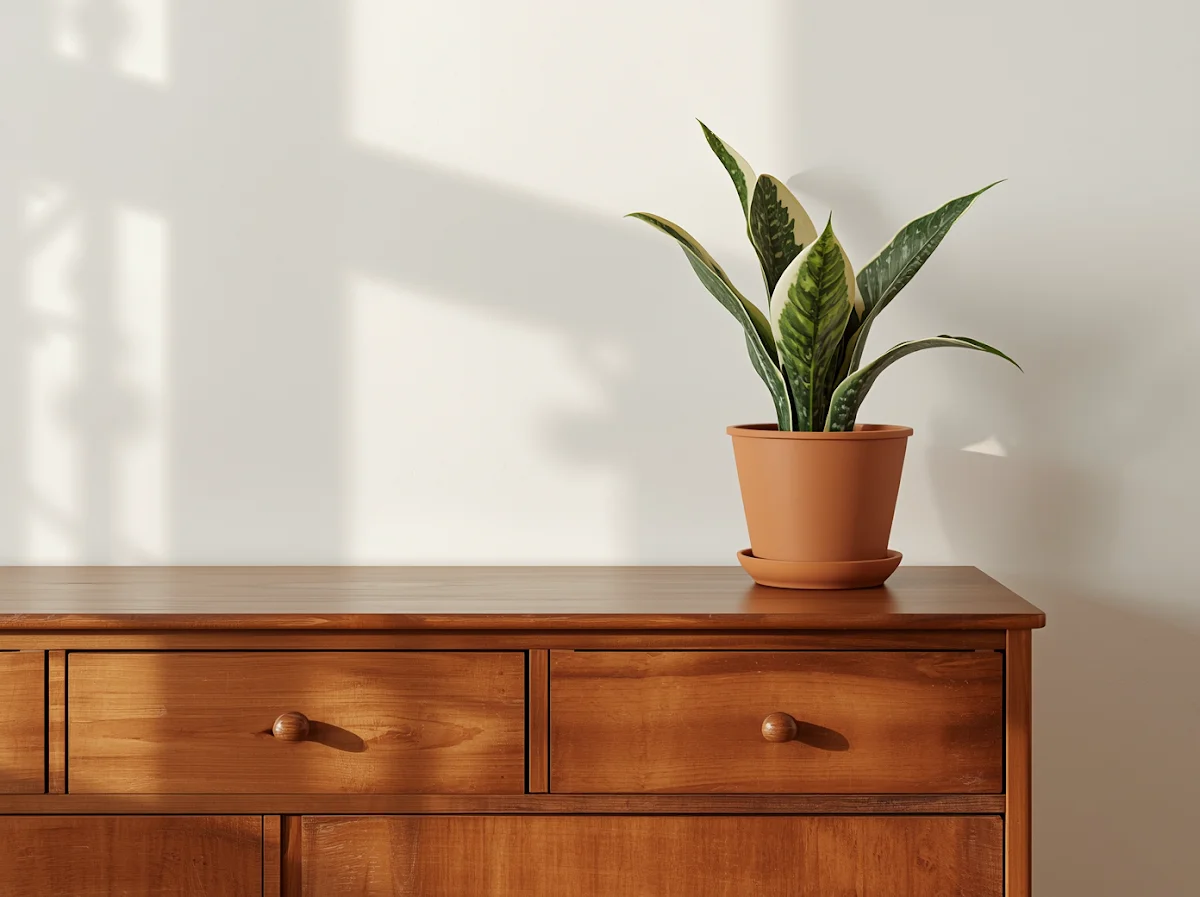
A snake plant or spider plant won’t transform your air quality, but it costs a fraction of a purifier and adds something living to the room. Keep it out of reach.
15. Secondhand Wood Furniture
Solid wood that’s been in someone’s house for a decade has finished off-gassing entirely. It’s cheaper, sturdier, and genuinely the lowest-emission option available.
What I’d Skip
Air-purifying paint additives, most “detox” sprays, and anything promising to remove toxins from your child’s body. Save the money for the mattress.
Final Thoughts
None of this needs to happen before the baby arrives. Pick the mattress and the paint, open a window, and add swaps as things wear out naturally.
I’m not a doctor, and this is what worked for our family. Talk to your pediatrician about anything specific to your child. 🦢