21 Montessori Bedroom Ideas for Toddlers in Small Spaces
Your toddler’s room doesn’t need to be big. It needs to be right.
I learned this the hard way — after buying furniture my kids ignored, setting up play areas they never used, and spending weekends reorganizing a room that fell apart by Monday. With four kids aged 0 to 6, I’ve had a lot of chances to get it wrong.
Then I discovered Montessori design principles. And everything shifted.
A Montessori bedroom isn’t about aesthetics (though it is beautiful). It’s about function. It’s about creating a space where your toddler can move freely, choose independently, and feel genuinely at home in their own room.
The best part? It works in small spaces. In fact, small rooms often become the coziest, most intentional Montessori spaces of all.
In this post I’m sharing 21 practical ideas — from floor beds to reading nooks to calm corners — that you can implement in any size room, on any budget. No renovation required.
Let’s build something beautiful. 🦢
Floor Beds That Give Toddlers Freedom
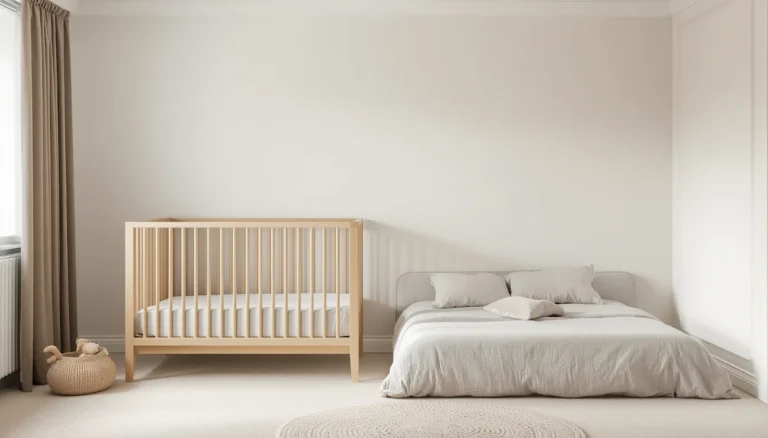
1. A Simple Twin Mattress Directly on the Floor
No frame needed. A firm twin mattress pushed into a corner takes up zero extra footprint and gives your toddler the same freedom of movement a full floor bed setup does.
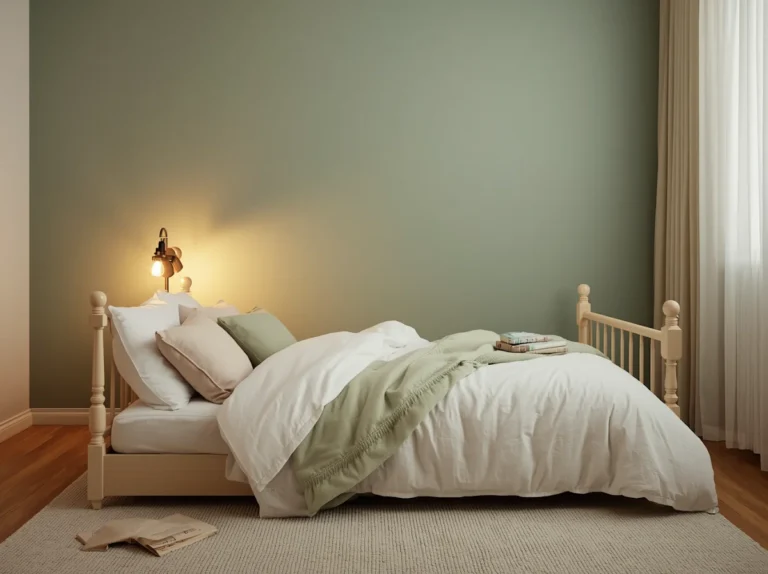
2. A Low Wooden Floor Bed Frame With a Guard Rail
A slightly raised frame keeps the mattress off a cold floor while staying low enough for independent climbing in and out. The rail prevents rolls without turning it into a crib.
3. A Floor Bed Nook Framed by a Low Bookshelf
Position a low shelf perpendicular to the wall to create a defined sleeping nook within the room. It doubles as a subtle boundary and a bedtime book display, without adding square footage.
Open Shelves at Child Height
4. A Single Low Shelf Along One Wall
One shelf, mounted low, running the width of an otherwise unused wall. This is often the single highest-impact storage change in a small room.
5. Corner Shelving That Uses Dead Space
Corners are usually wasted space in small rooms. A triangular corner shelf unit fits where a rectangular one wouldn’t and adds storage without eating into floor space.
6. A Shelf Built Into a Closet for Extra Storage
Remove the closet door and add one open shelf at child height inside. This turns unused closet depth into an accessible, independent-use zone.
Smart Storage That Kids Can Use Alone
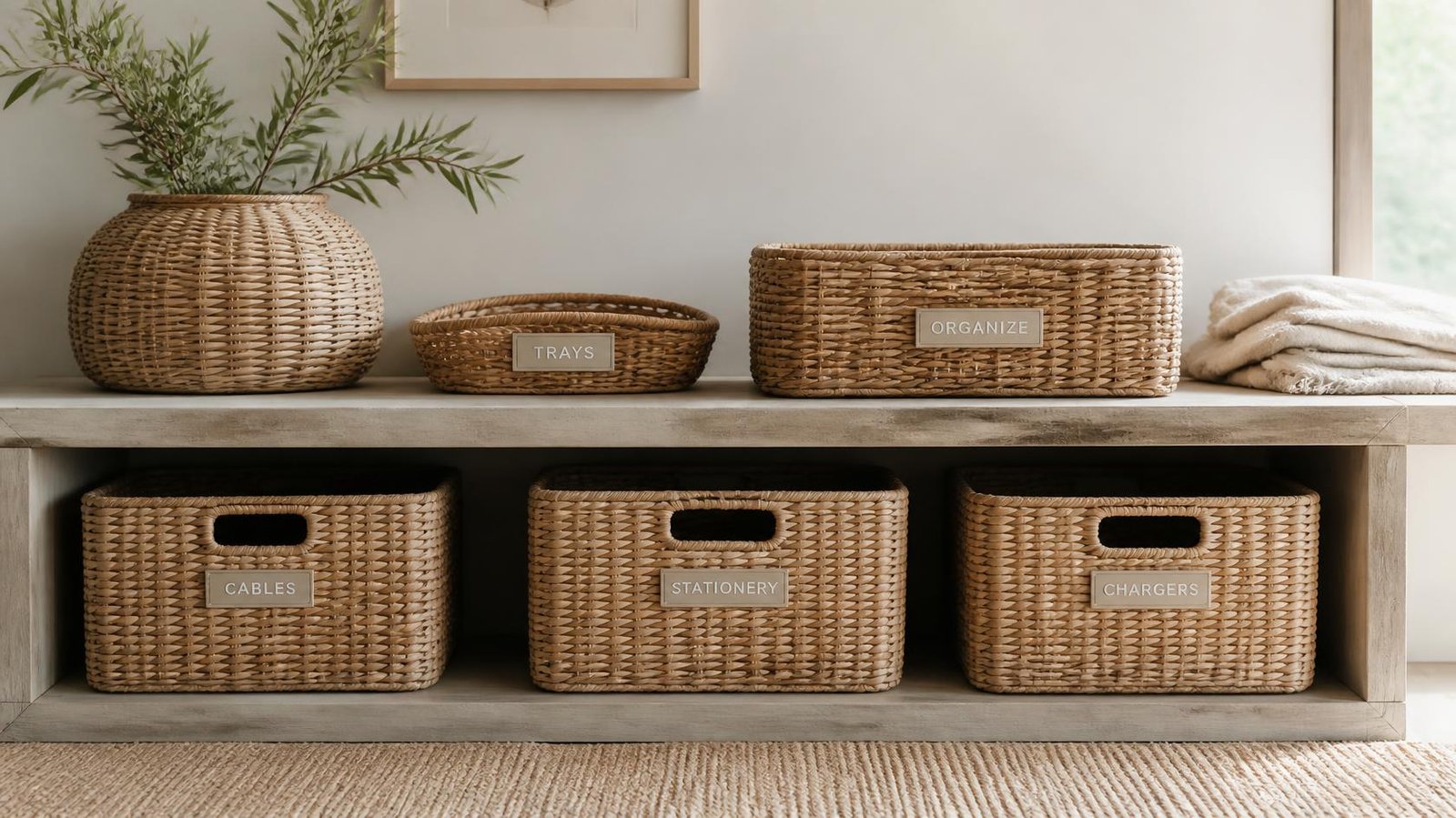
7. Labeled Baskets Under the Bed
Under-bed space is often the largest unused area in a small room. Flat, labeled baskets on casters make it accessible without requiring anyone to lift the mattress.
8. A Low Rolling Cart for Toys
A slim rolling cart tucks against a wall and pulls out only when needed, then rolls back. Better than a fixed bin for rooms too small for permanent floor storage.
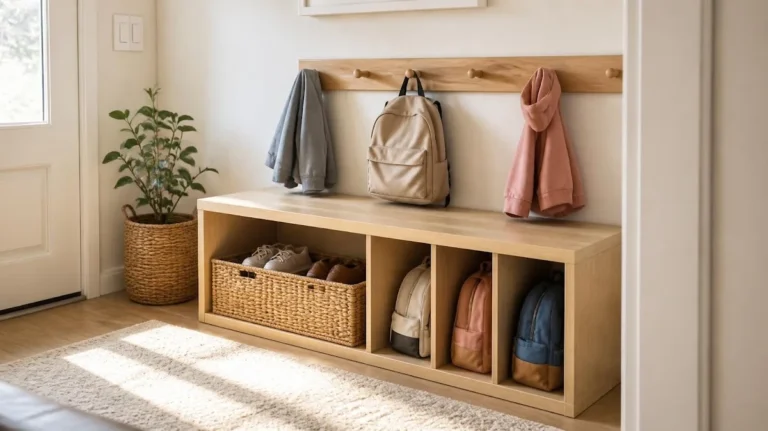
9. Wall-Mounted Hooks Instead of a Dresser
A row of low hooks handles daily outfits and bags without the footprint of a full dresser. Save the dresser for off-season clothes stored elsewhere.
Reading Nooks in Tiny Corners
10. A Floor Cushion Tucked Into a Closet Nook
An underused closet, door removed, becomes a reading spot with just a cushion and a small light. Genuinely one of the best uses of “wasted” square footage in a small room.
11. A Window Seat Reading Spot
If there’s a window ledge or radiator cover, a flat cushion turns it into seating without adding any new furniture.
12. A Corner Tent With a Small Book Ledge
A collapsible fabric tent in one corner, with a tiny ledge or basket for two or three books. Fully removable if the space is needed for something else later.
Nature-Inspired Color Palettes for Small Rooms
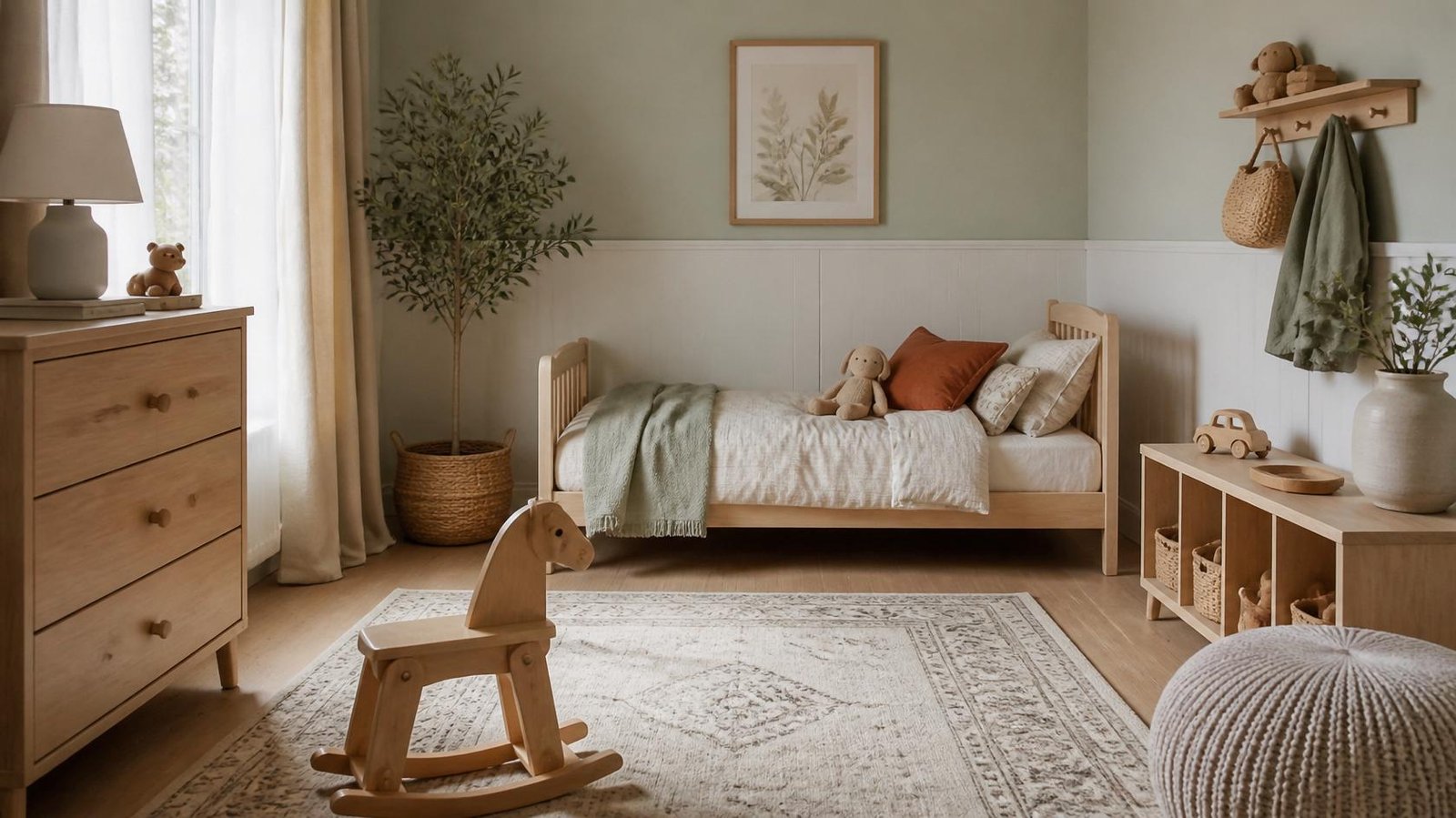
13. Sage Green Walls With Cream Trim
Muted greens read as calming rather than childish, and the light cream trim keeps a small room from feeling closed in.
14. Warm Terracotta Accents on One Wall
A single accent wall in warm terracotta adds warmth without the visual weight of covering all four walls in a deeper tone.
15. Neutral Linen Bedding With a Single Botanical Print
Keep the bedding itself neutral and let one framed botanical print carry the nature theme. Small rooms read larger with fewer competing patterns.
Movement Zones Without Taking Extra Space
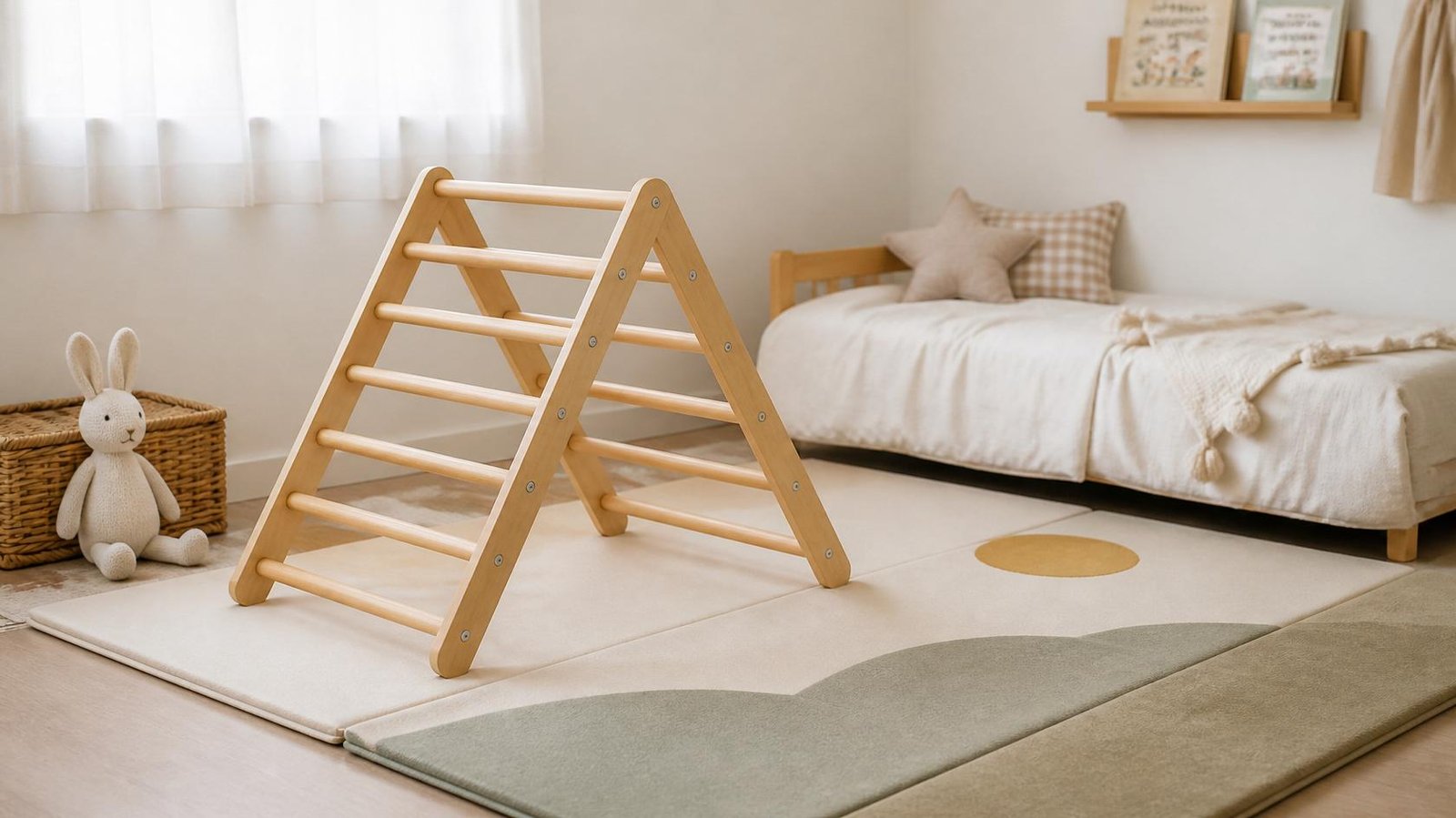
16. A Foldable Pikler Triangle That Tucks Away
Choose a folding version specifically for small rooms — it stands open for climbing time and folds flat against a wall the rest of the day.
17. A Balance Beam Made From Floor Tape
A strip of colored tape on the floor costs nothing and takes zero physical space, while still giving a genuine balance and movement activity.
18. A Small Climbing Cushion Set
Soft foam shapes that stack for climbing and flatten for storage against a wall when not in use — movement equipment that doesn’t demand a dedicated zone.
Calm Corners for Big Feelings
19. A Floor Cushion With a Soft Blanket
The simplest possible version: one cushion, one blanket, in a corner that’s otherwise unused. No special furniture required to start.
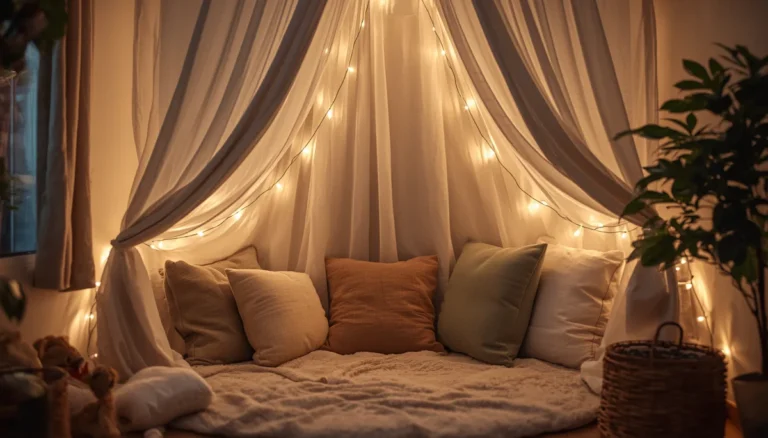
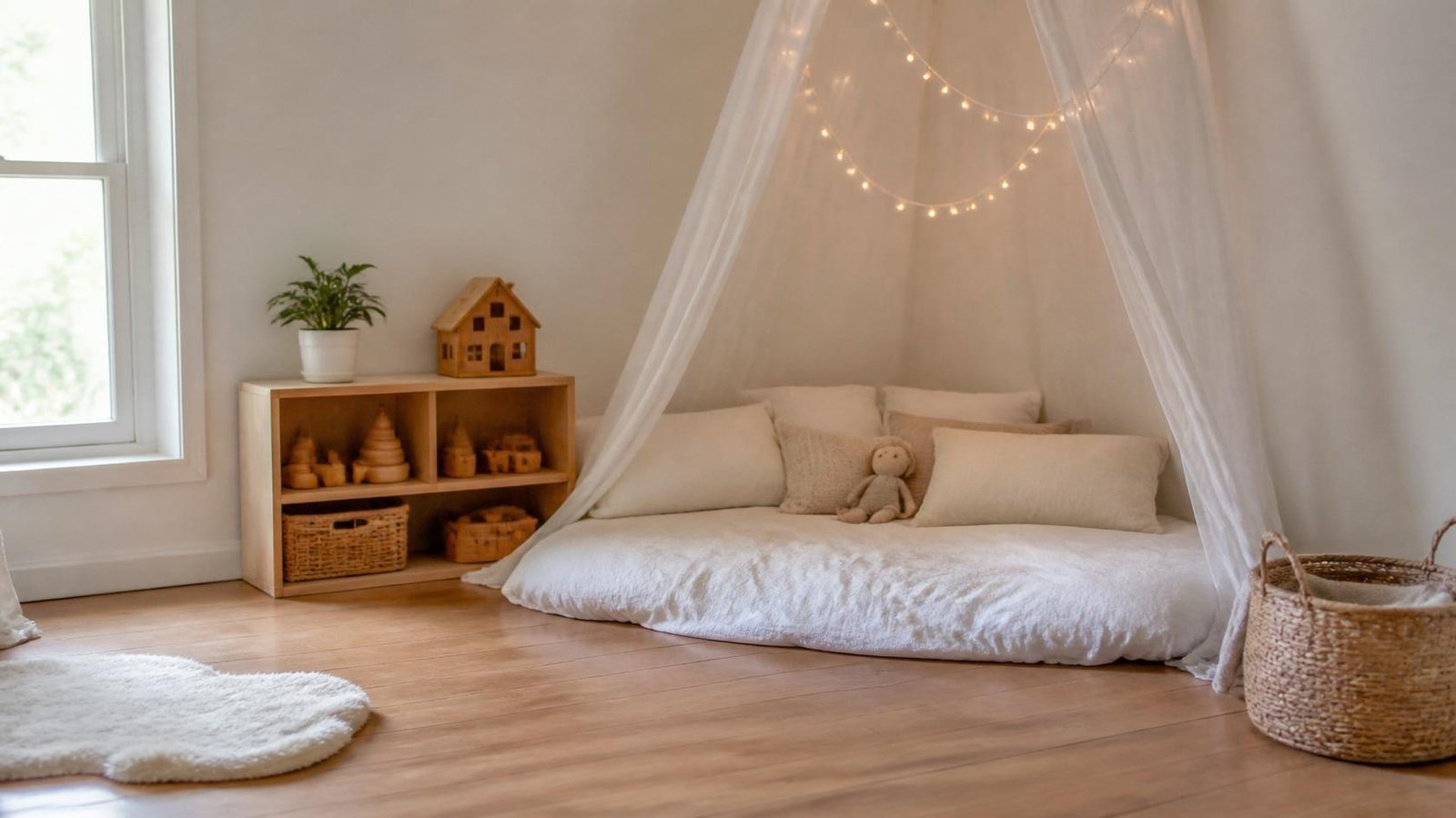
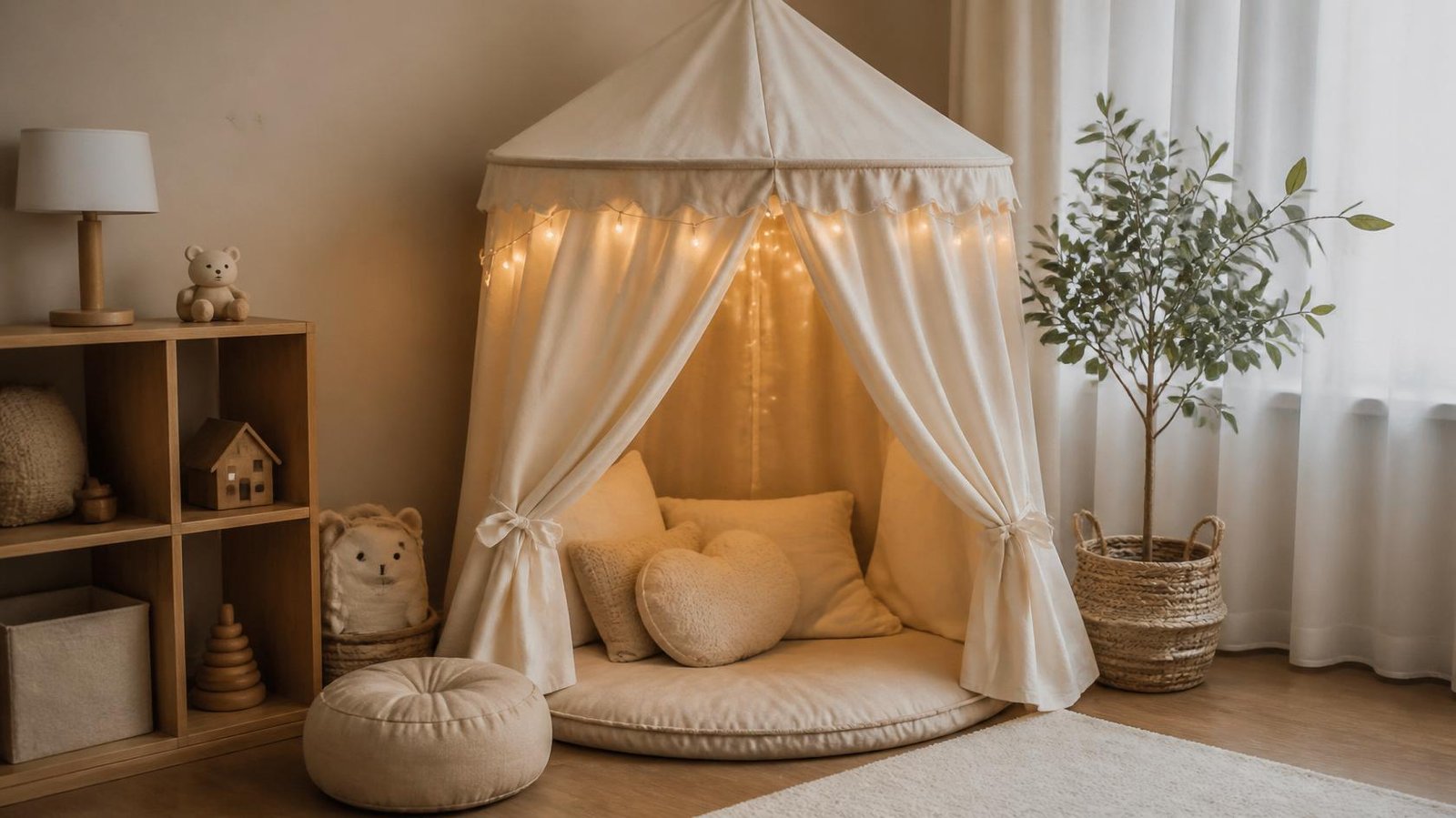
20. A Small Canopy Over One Corner
A lightweight canopy visually separates a calm corner from the rest of a small room without adding a physical wall or losing floor space.
21. A Low Shelf With Two or Three Calming Tools
A tiny shelf — even a single floating one — holding a couple of calming tools keeps this zone functional without needing its own furniture piece.
Final Thoughts
A Montessori bedroom doesn’t require square meters. It requires intention.
Start with one change this week. Lower the bed. Clear a shelf. Set up a corner with a cushion and three books. Watch what your toddler does with it.
That’s how every one of these rooms began — with one small shift, and a mom willing to try.
Save this post so you can come back to it as your child grows. And if you set up something from this list, I’d love to hear how it went. 🦢