How to Garden With Toddlers, Even in a Small Space
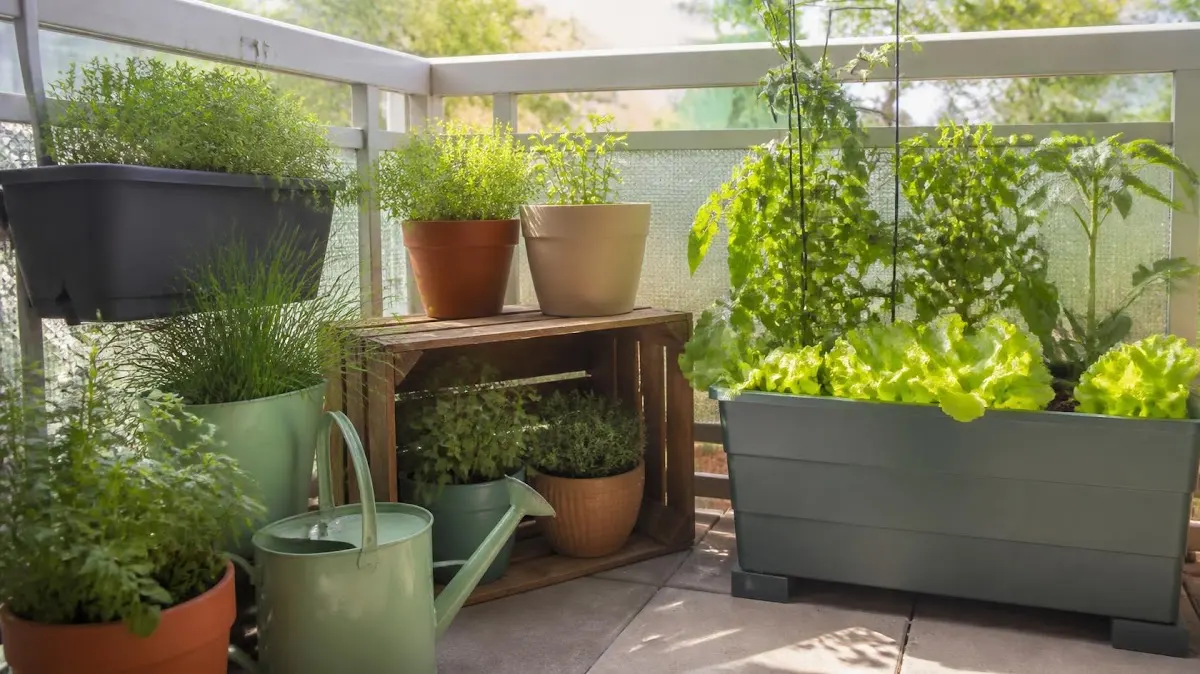
We garden on a balcony in Buenos Aires. It is not large, and for a while I assumed that ruled out gardening with kids entirely.
It doesn’t. What it rules out is the picture in your head of rows of vegetables. Container gardening with toddlers works — you just have to pick plants that move fast enough to hold a three-year-old’s attention. 🦢
What You’ll Need
- 2–3 containers with drainage holes (pots, crates, even buckets)
- Potting soil, not garden soil
- A small watering can they can lift when full
- Fast-growing seeds (see step 3)
- A sunny spot — 4+ hours of direct light
Total start-up cost: roughly $25–50.
🛒 Shop: Kids Gardening Tool Set (Wooden)
Step 1: Find the Light Before Anything Else
Watch where the sun actually falls for a day. Most balconies and windowsills have one good spot and several poor ones.
Four hours of direct sun grows herbs and greens. Six or more opens up tomatoes and peppers. Less than four means leafy greens only.
Choosing plants for your light beats fighting your light every time.
Step 2: Let Them Choose the Container
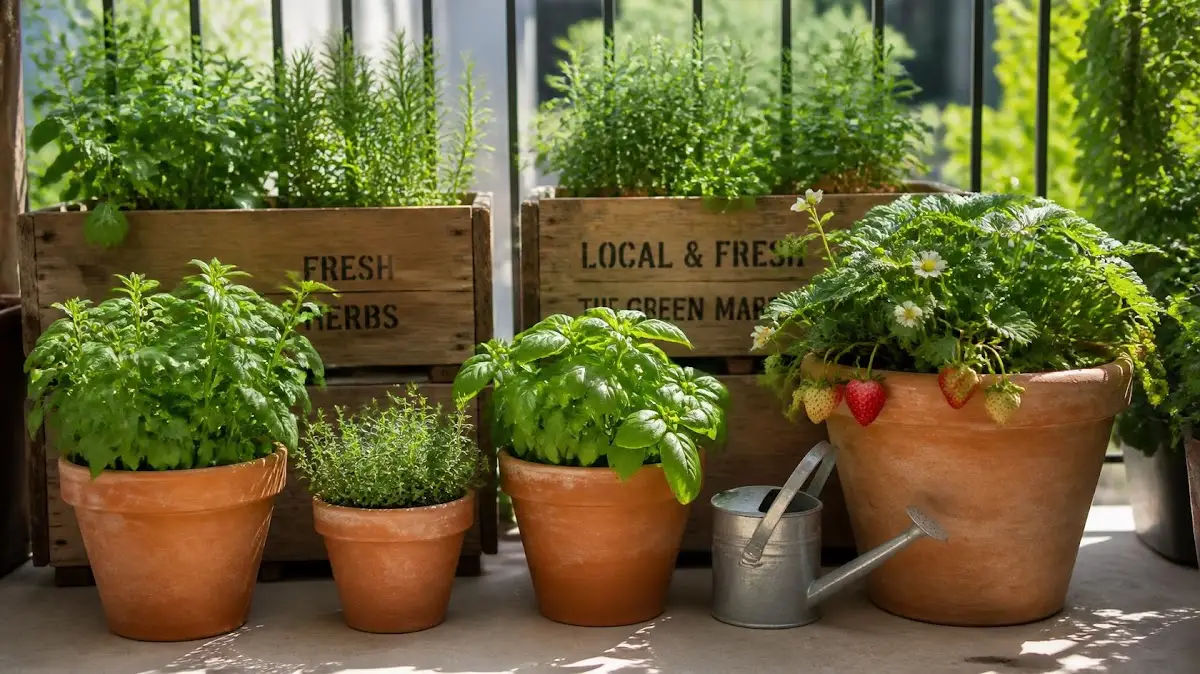
Any vessel with drainage holes works. A wooden crate, a bucket with holes drilled in, a large pot.
🛒 Shop: Terracotta Pots Set with Drainage
Let your toddler pick which one is theirs. Ownership at this stage does more for follow-through than anything else.
Step 3: Plant Things That Sprout Fast
A toddler’s patience runs about four days. Match the plant to that.
🛒 Shop: Fast-Growing Seeds for Kids
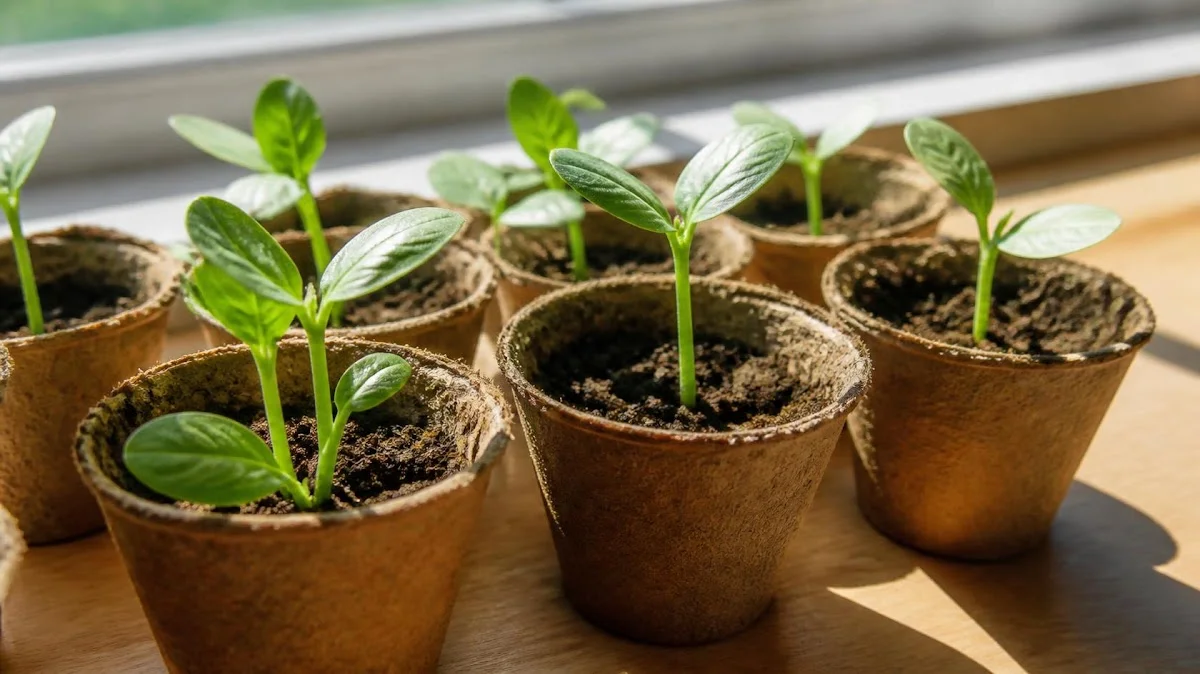
Sprouts in 3–7 days: radishes, cress, beans, sunflowers, peas.
Sprouts in 1–2 weeks: lettuce, basil, spinach, chives.
Skip for now: carrots and parsnips (slow and invisible underground), anything needing a full season before showing results.
Start with radishes. They sprout in three days and are ready to eat in a month — the fastest full cycle a small child can experience.
Step 4: Let Them Do It Badly
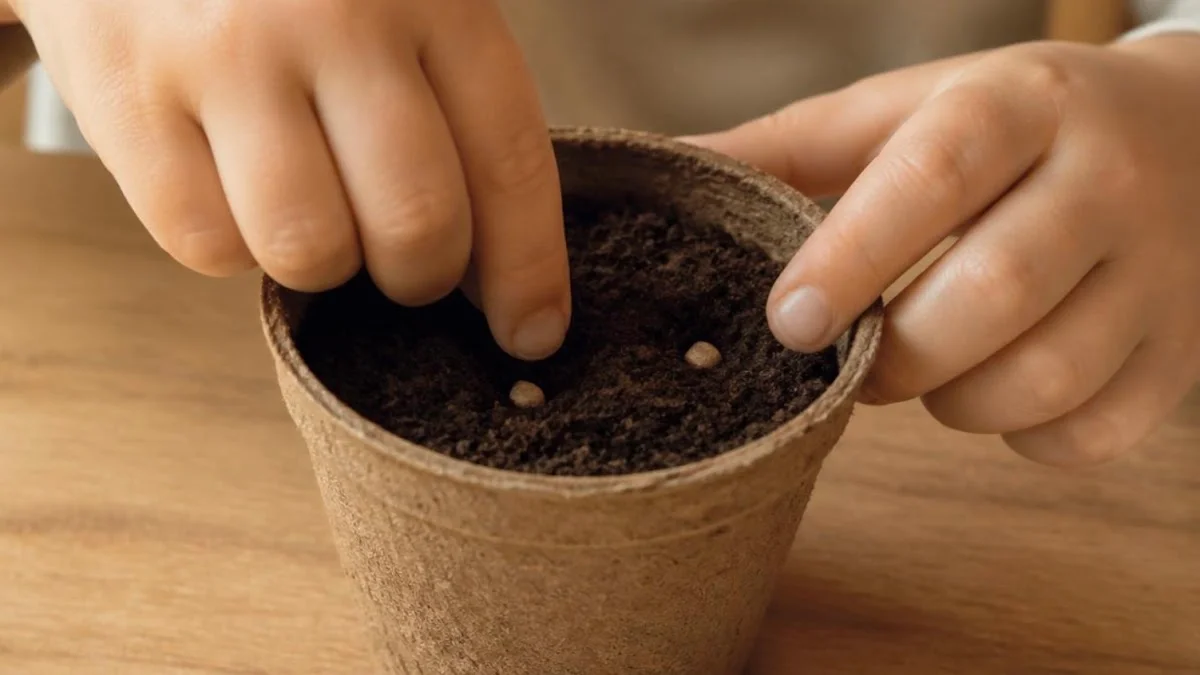
Seeds will go in too deep, too shallow, and six in one hole.
Plant twice as much as you need and let it be imperfect. Some will grow anyway. A child who planted it wrong and watched it grow learns more than one who watched you do it correctly.
Step 5: Make Watering Their Job
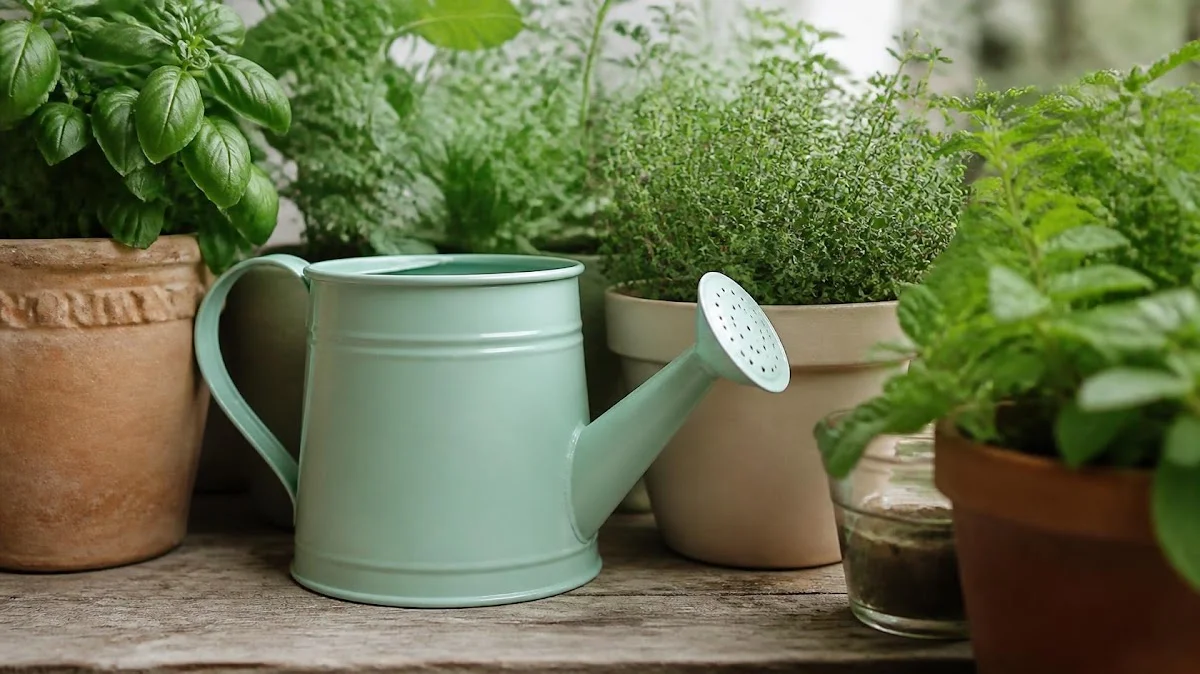
A small can they can carry full. Once a day, same time, ideally morning.
🛒 Shop: Small Watering Can for Children
Expect overwatering at first. Drainage holes are what save you here — that’s why they matter more than the container itself.
Step 6: Give Them a Way to See Progress
A stick in the soil marked at plant height, moved weekly. Or a photo taken every few days from the same spot.
🛒 Shop: Plant Growth Chart Printable
Growth is too slow for a toddler to perceive without a marker. With one, it becomes visible and exciting.
Step 7: Eat Something You Grew
This is the step that makes it click.
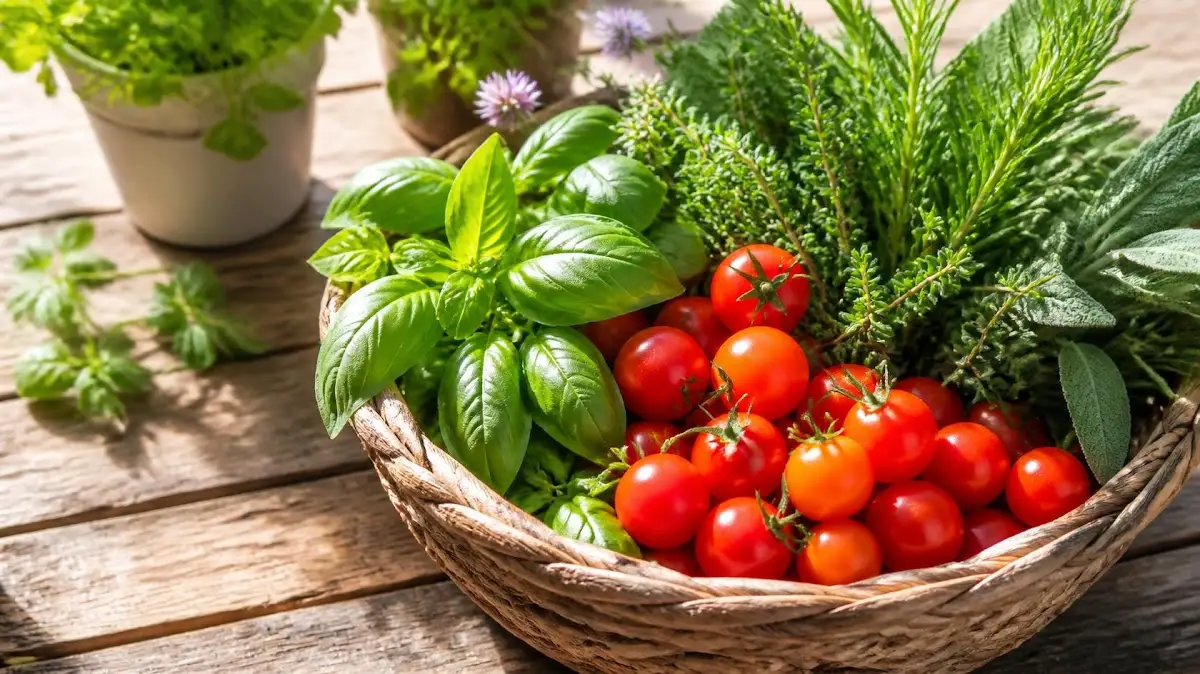
Even one radish, one cherry tomato, one handful of basil in dinner. The loop from seed to plate is the entire lesson, and it needs to close.
Common Problems
- Everything died. Usually overwatering or not enough light. Try radishes in the sunniest spot.
- They lost interest. The plant was too slow. Restart with something that sprouts in under a week.
- Leggy, pale seedlings. Not enough light — move the container.
- They pulled it up to look. Completely normal. Plant extras.
Final Thoughts
Container gardening with a toddler isn’t really about the vegetables. It’s about a child who knows that food comes from somewhere and that waiting produces something.
Two pots and a packet of radish seeds is a real start. 🦢