17 Sensory-Friendly Back-to-School Tips for Sensitive Kids
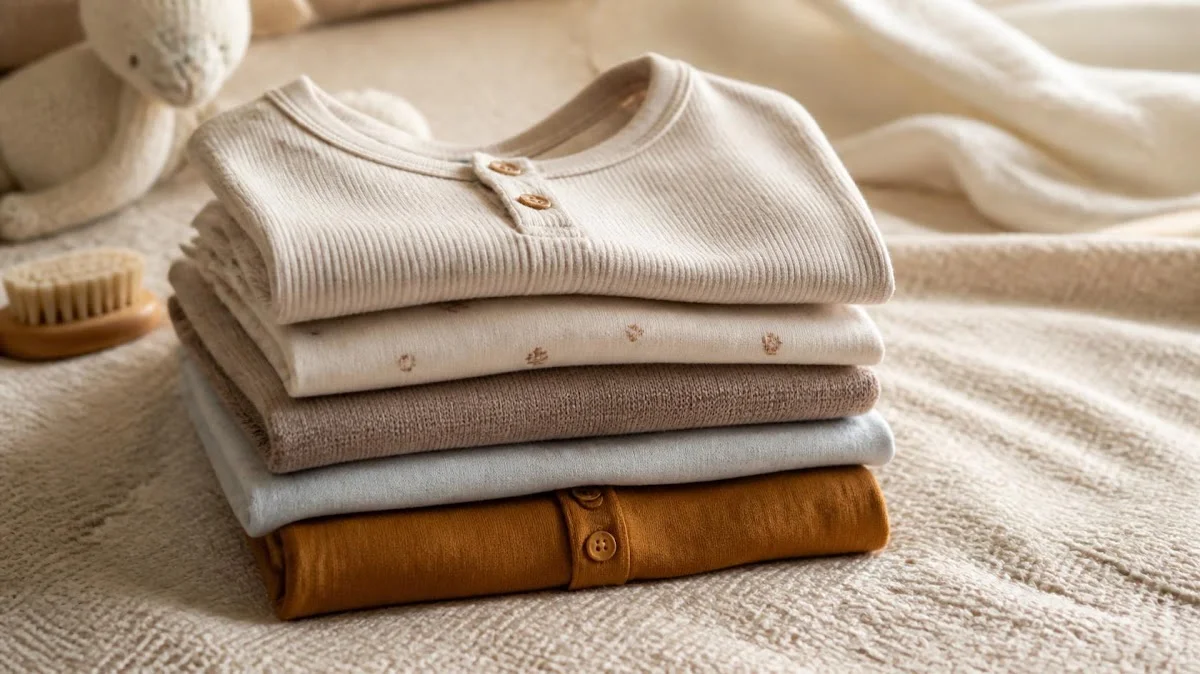
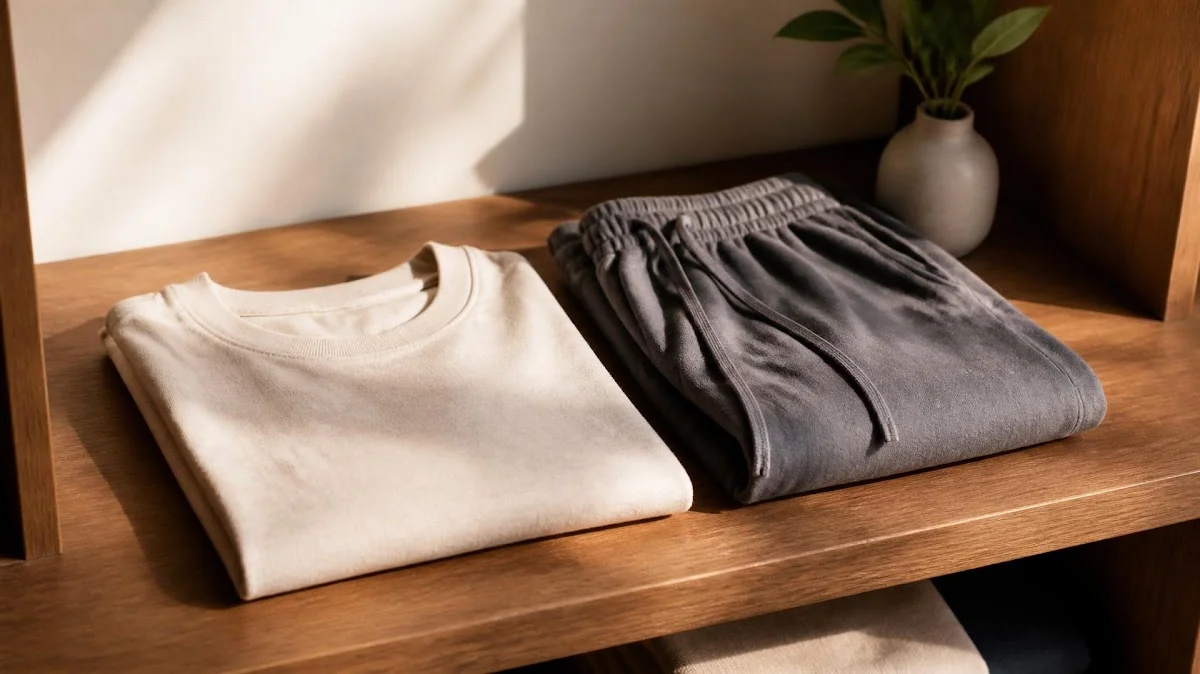
One of my kids will wear the same three shirts on repeat because everything else “feels wrong.” I used to fight this. Now I just buy multiples.
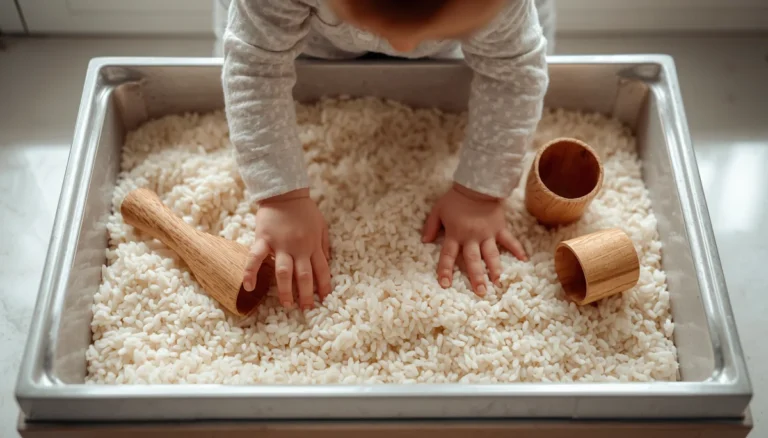
Sensory sensitivity doesn’t need to be diagnosed to be real and worth accommodating. Here are 17 adjustments that made our back-to-school mornings easier. 🦢
Clothing
1. Cut or Buy Tagless
A five-second fix that ends a genuine daily battle for some kids.
🛒 Shop: Tagless Kids Shirts (Soft Cotton)
2. Wash New Clothes Before Wearing
Stiff new fabric feels different from softened, washed fabric. One wash cycle solves it.
3. Let Them Choose Between Two Options, Not the Full Closet
Full choice is overwhelming. Two pre-approved options gives control without decision fatigue.
4. Seamless Socks
The toe seam is a bigger deal than it sounds for some kids. Seamless options exist and cost about the same.
🛒 Shop: Seamless Socks for Sensitive Feet
Backpack and Gear
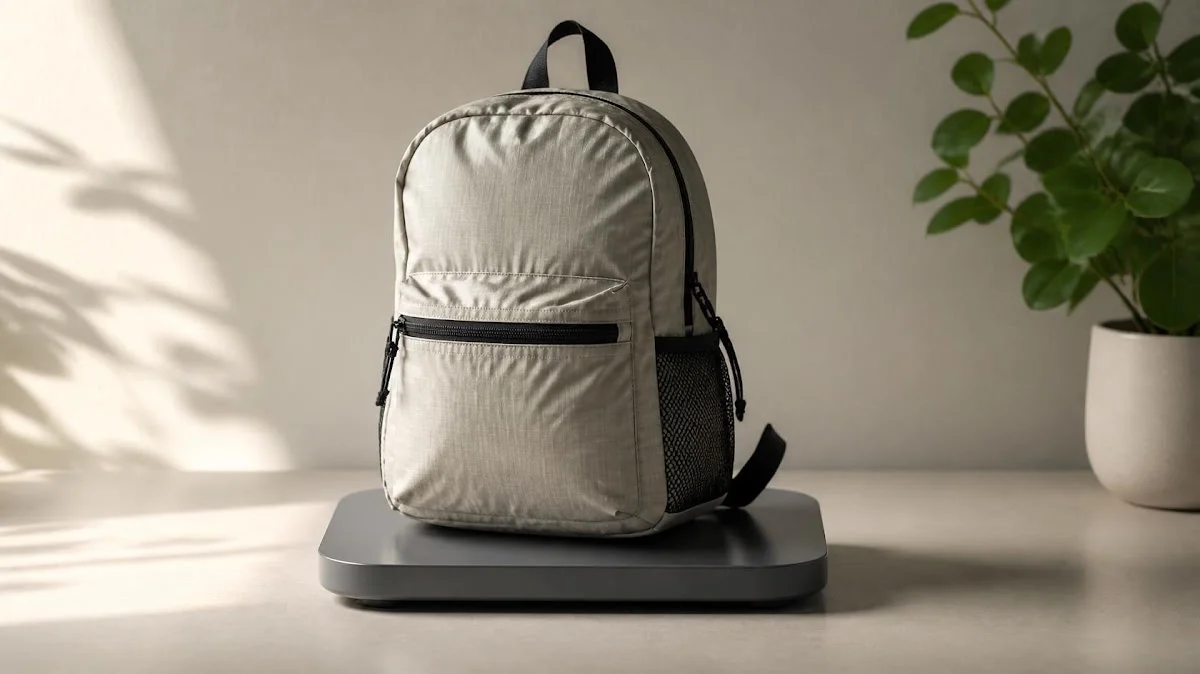
5. Weigh the Backpack Before the First Day
A heavy backpack is a sensory and physical problem at once. Aim for under 10% of body weight.
6. Choose Soft Straps Over Thin Ones
Padded straps distribute weight more evenly across the shoulder.
🛒 Shop: Lightweight Backpack (Padded Straps)
7. Skip the Backpack With Lights or Sounds
Novel for you in the store, overstimulating for them in a hallway of forty other kids.
Sound
8. Practice With Ear Defenders at Home First
Introduce them during calm moments, not for the first time on an overwhelming day.
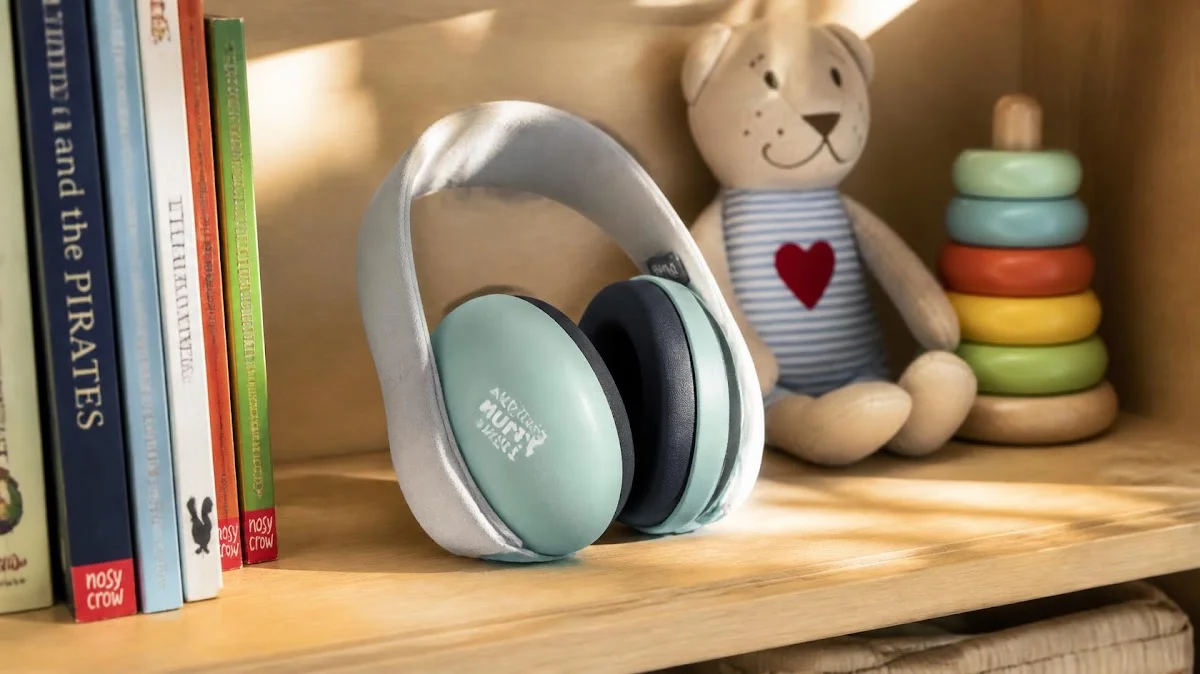
🛒 Shop: Kids Noise-Cancelling Ear Defenders
9. Ask About Quiet Spaces at School
Many classrooms have a designated calm corner. Ask directly rather than assuming it exists.
10. Prepare Them for Fire Drills in Advance
An unexpected loud alarm is one of the most common sensory triggers in a school day. A heads-up conversation helps.
Texture and Touch
11. Send a Familiar Texture in Their Pocket
A small piece of soft fabric or a smooth stone. Something to touch when the day feels like a lot.

🛒 Shop: Soft Sensory Fidget Fabric
12. Skip Stiff New Shoes on Day One
Break shoes in over a weekend rather than debuting them on the first school day.
13. Choose Soft-Bristle Toothbrushes and Simple Routines
Morning routines involve a lot of texture — toothbrush, washcloth, hairbrush. Softer versions reduce friction before the day even starts.
Food and Lunch
14. Keep Textures Separate in the Lunchbox
Mixed textures — sauce touching bread — can be a genuine dealbreaker. Separate compartments solve more than you’d expect.
15. Include One Predictable, Safe Food Every Day
Same as any picky eater, but especially true here — predictability itself is calming.
Calm Tools
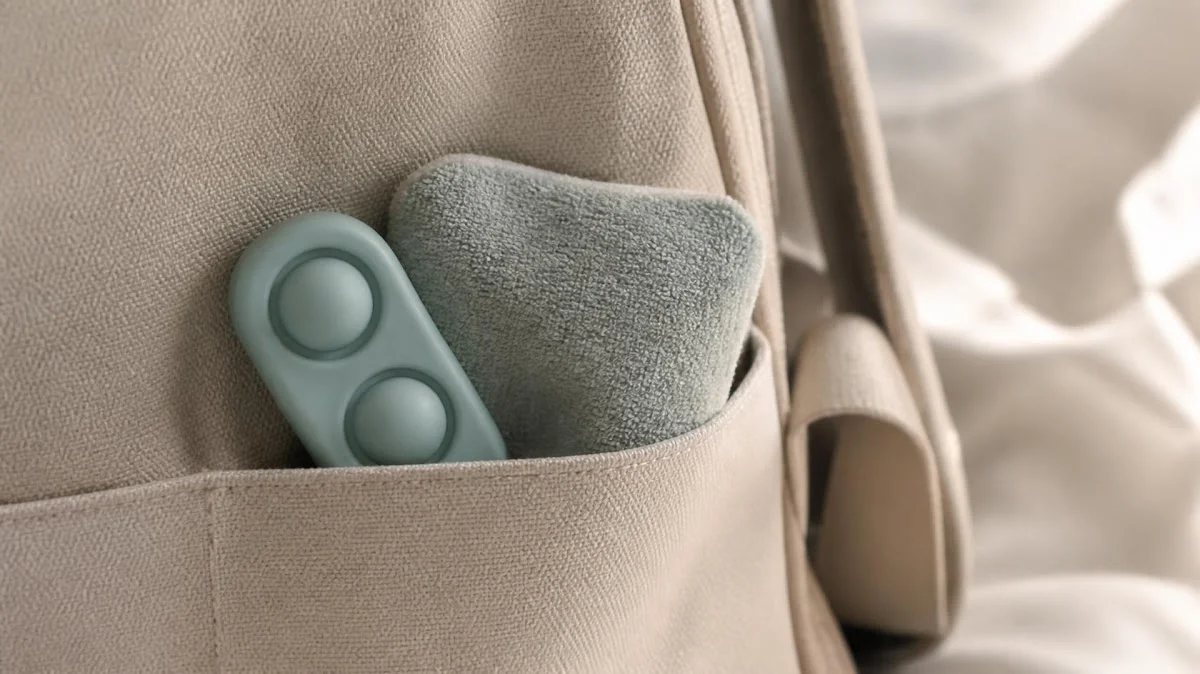
16. A Small Fidget Tool in the Backpack Pocket
Quiet, small, and available without asking permission. Check with the teacher about classroom rules first.
17. A Visual Schedule for the School Day
Knowing what comes next reduces anxiety around transitions, which are often the hardest sensory moments of the day.
🛒 Shop: Visual Schedule for School Day
Final Thoughts
None of these fixes require a diagnosis to be worth trying. If something makes mornings easier, it’s worth keeping regardless of the label.
Start with the tags and the backpack weight — the two smallest changes with the biggest return. 🦢
This post shares what’s worked for our family. If you have ongoing concerns about your child’s sensory needs, an occupational therapist can offer guidance specific to them.